

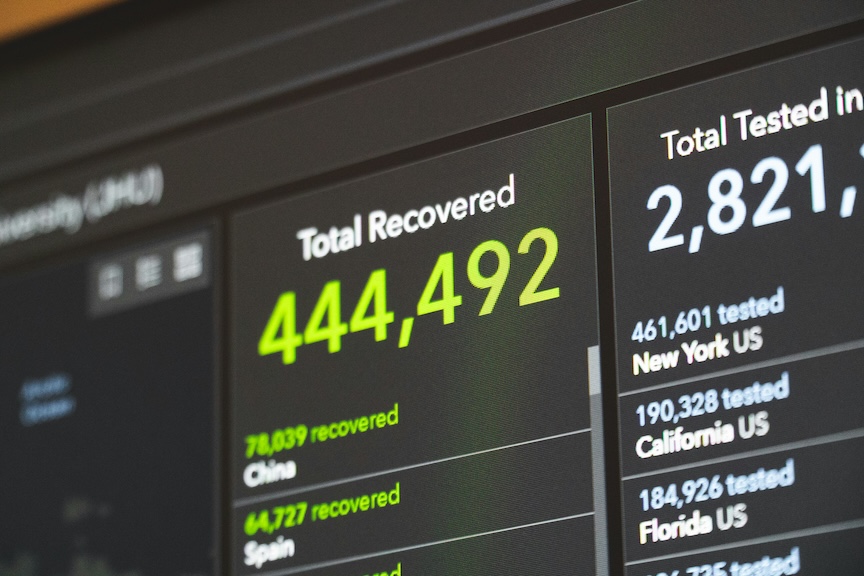
As hospitals and insurers modernize, more Filipino patients are discovering that their medical histories no longer sit in paper folders but in digital databases.
Electronic health records (EHRs), online claims processing, and telemedicine platforms are rapidly expanding across the country under the broader push toward Universal Health Care (UHC). The promise is efficiency: faster claims, fewer repeated tests, better coordination between providers.
But as health systems digitize, questions about privacy, data protection, and patient rights are becoming increasingly urgent.
What Are Digital Health Records?
A digital health record is an electronic version of a patient’s medical history. It may include laboratory results, prescriptions, diagnostic imaging, physician notes, vaccination records, and insurance claims.
When properly implemented, these systems allow doctors to access critical information quickly, reduce medical errors, and streamline administrative processes.
Globally, the World Health Organization has encouraged digital health adoption to strengthen healthcare delivery. However, the agency also emphasizes that digitalization must be accompanied by strong governance and privacy safeguards.
PhilHealth’s Expanding Digital Role
In the Philippines, PhilHealth plays a central role in digital health data through its claims processing systems.
Healthcare providers increasingly submit claims electronically. Digital submission aims to:
- Speed up reimbursement
- Detect fraudulent claims
- Improve transparency
- Generate data for health policy planning
With the implementation of the Universal Health Care Act, PhilHealth’s data systems are expected to integrate more closely with public and private healthcare facilities.
The long-term objective is a more coordinated system where patient information flows securely across providers. But integration also increases the volume of sensitive data stored and transmitted.
READ: Simple Screenings That Matter: Can Digital Health Help Close the Gap?
Why Data Protection Matters
Health data is classified as sensitive personal information under the Data Privacy Act of 2012.
The law, enforced by the National Privacy Commission, requires organizations to:
- Obtain consent before collecting personal data
- Use data only for declared purposes
- Implement security measures
- Report data breaches
- Allow individuals access to their own records
Medical records contain highly personal details, including mental health diagnoses, chronic illnesses, reproductive history, and genetic information. Unauthorized disclosure can cause stigma, discrimination, or financial harm.
Data breaches in various sectors have heightened public awareness of digital vulnerabilities. While digitization improves efficiency, it also increases exposure if systems are not secured.
What This Means for Patients
Experts say patients should not treat digital health as invisible infrastructure.
Instead, individuals are encouraged to:
- Ask providers how medical data is stored and protected
- Verify PhilHealth membership and claims records
- Request copies of laboratory and diagnostic reports
- Review medical summaries for accuracy
- Understand their rights under the Data Privacy Act
For Overseas Filipino Workers (OFWs), the issue becomes more complex. Medical records generated abroad may not automatically integrate with Philippine systems. Keeping personal copies of health records can help ensure continuity of care across borders.
The Broader Public Health Question
Digital health systems generate valuable data for national planning. Aggregated information can help identify disease patterns, allocate funding, and design prevention programs.
However, public trust is essential.
Transparency, accountability, and patient literacy will determine whether digital transformation strengthens healthcare or fuels skepticism.
As healthcare becomes more data-driven, patients are then data subjects with legal rights and responsibilities.
Understanding those rights may be as important as knowing one’s blood pressure or cholesterol levels.
Photo by Martin Sanchez on Unsplash
References:
- PhilHealth – Official circulars and UHC digital initiatives
- Data Privacy Act of 2012
- National Privacy Commission
- World Health Organization – Global Digital Health Strategy